How to Plan a Soft Strip Clearance for Your Commercial Property
Soft strip demolition is an important step in preparing a structure for rehabilitation or redevelopment. It entails eliminating non-structural features including interior fixtures, fittings, and finishes while leaving the building’s core framework intact. Ceilings, partition walls, floors, and utilities such as heating and plumbing are common components to be removed. Understanding soft strip demolition is critical for property developers, builders, landlords, and anybody involved with building or restoration projects.
One of the primary reasons to use soft strip demolition is its efficiency. By focusing solely on non-structural aspects, the process of redeveloping a space is simplified. This technology also permits the recycling and reusing of resources, making the operation more ecologically friendly. With proper preparation, soft strip demolition may help you get your redevelopment project off to a good start.
What is Soft Strip Demolition?
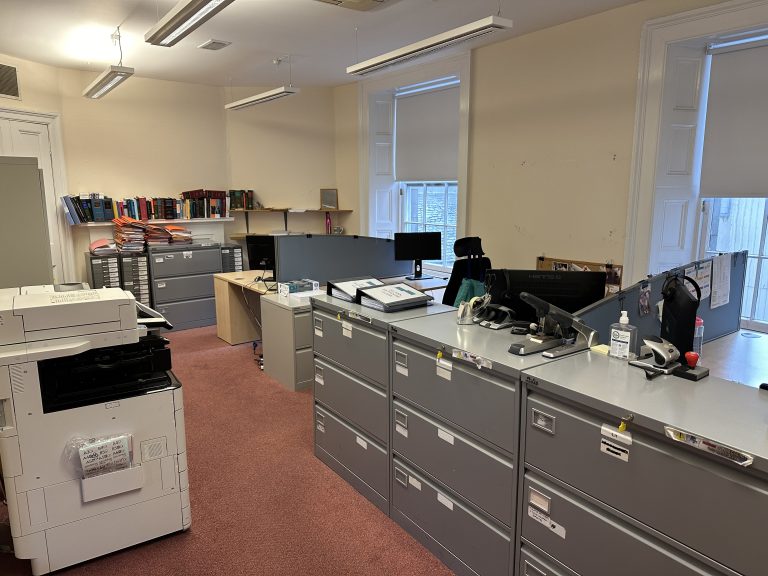
Soft strip demolition removes non-structural parts from a building while keeping the main structure intact. These non-structural features might include internal fixtures, fittings, and finishes such as partitions, ceilings, and floors. Removing these items prepares the home for extensive upgrades or a total overhaul.
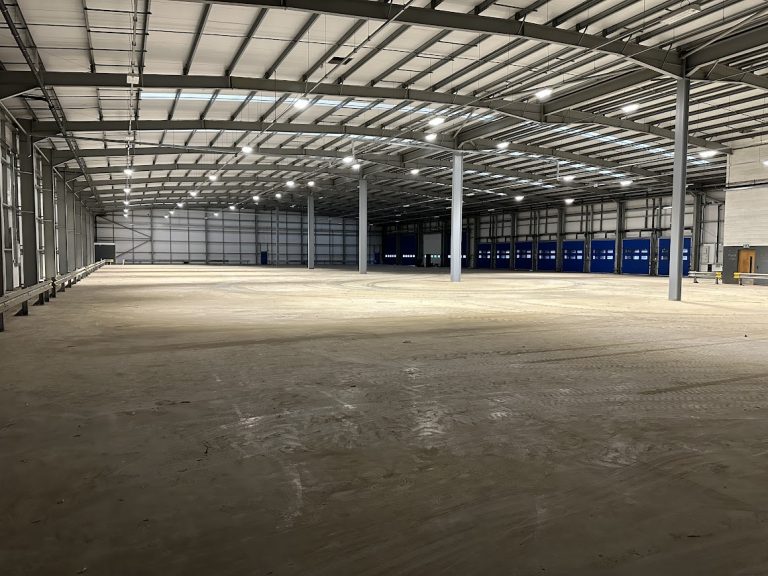
This form of demolition is particularly advantageous for property developers and landlords looking to reuse or repair a structure. By removing the non-structural components, you can see the building’s naked bones. This makes it easy to remodel and renovate without sacrificing structural integrity. Soft strip demolition is frequently a critical initial stage in any major building project, providing a blank canvas for new ideas and installations.
Sixtowns Waste also ensures that any items removed during the soft strip process are appropriately disposed of. We separate and handle materials such as metal, wood, and plasterboard. This ethical method enables the recycling of appropriate materials, making the process ecologically beneficial.
Key Advantages of Soft Strip Demolition
1. Increased Flexibility: Soft strip demolition allows property developers and builders to remodel interior areas without disrupting the building’s structure. This makes it excellent for projects that need to update interiors while keeping the external façade or load-bearing walls.
2. Cost-Effectiveness: Soft strip demolition is more cost-effective than full-scale demolition since it requires less manpower and resources. By focusing solely on non-structural features, you save time and money, allowing you to devote more resources to the rehabilitation phase.
3. Environmental Responsibility: By segregating recyclable materials such as metal, wood, and plasterboard, we ensure that they are recycled properly. This eliminates waste and lowers the environmental effect of your project. Choosing soft strip demolition helps to keep your project green.
4. Safety: Soft strip demolition reduces dangers by preserving the building’s structural integrity. This makes it a safer alternative for buildings that may require extensive improvements. It is a way for keeping the remainder of the structure stable while inside work is being done.
5. Speed and Efficiency: This sort of demolition is speedier than full-scale demolition, allowing for faster project completion. With the non-structural items removed, the area is swiftly prepared for the following phase, which might include new installations or substantial refurbishments.
These important characteristics make soft strip demolition a good choice for a wide range of commercial and industrial rehabilitation projects.
Planning Your Soft Strip Demolition – Key Steps
A structured methodology guarantees that soft strip demolition runs smoothly and efficiently. Here’s a simple step-by-step instruction that will help you comprehend the flow:
1. Initial Assessment: Start with a thorough inspection of the building. Identify the non-structural items that will be eliminated, such as partitions, ceilings, and fixtures. Assessing the scope aids in planning and resource allocation.
2. Planning: Develop a precise plan that includes the scope of work, timetable, and safety precautions. Make sure you have the required equipment, skips, and removal services available. Choosing the appropriate skip size is critical—a 6-yard builder’s skip may be adequate for modest works, but a 16-yard jumbo skip is suitable for bigger operations.
3. Hazardous Material Removal: Before beginning the strip-out process, identify and properly remove any hazardous items such as asbestos, lead paint, or obsolete electrical wiring. Specialised disposal services are utilised to manage hazardous items by safety rules.
4. Soft Strip Demolition: Begin eliminating non-structural materials systematically. Begin with tiny elements like fixtures and fittings, then go to larger components like partition walls and ceilings. Use skips to manage garbage; for example, an 8-yard builder’s skip can efficiently handle heavy debris.
5. Waste Management: Separate recyclables like metal, wood, and plasterboard. Sixtowns Waste provides effective junk removal services, such as metal recycling and hazardous waste disposal, while adhering to environmentally responsible standards.
6. Site tidy-up: After finishing the strip-out, tidy the area. Ensure that all garbage is appropriately disposed of and that the area is prepared for the next phase of construction or restoration.
The Jettison Approach to Soft Strip Site Clearances
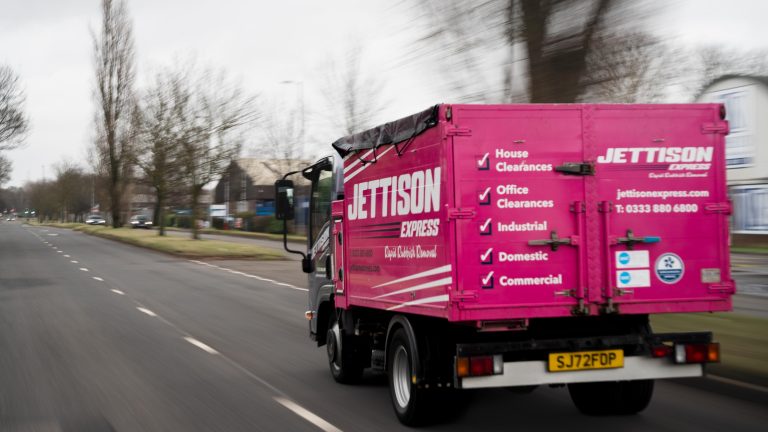
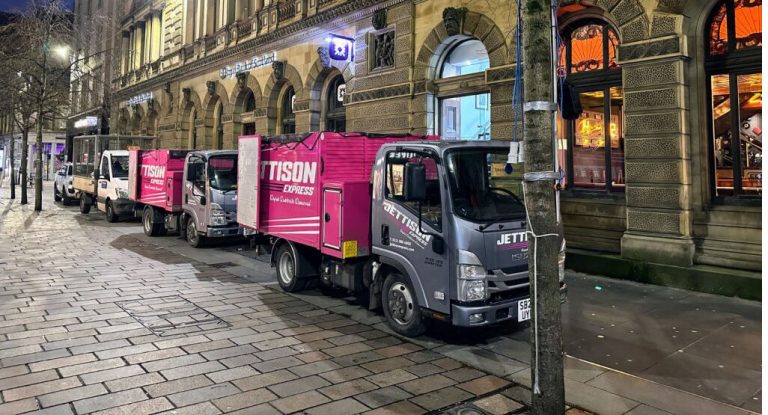
With years of experience in commercial waste management, our team at Jettison Commercial Clearances has developed a comprehensive and environmentally responsible approach to soft strip clearances. We operate across Scotland, covering areas such as Glasgow, Edinburgh, Dundee, Kilmarnock, Fife, Stirling, and Perth, providing tailored solutions for businesses in diverse industries.
Our Process Includes:
- Conducting site assessments to determine the best clearance approach
- Identifying materials that can be salvaged, recycled, or responsibly disposed of
- Ensuring compliance with waste disposal regulations and sustainability best practices
- Offering secure destruction of sensitive IT equipment and confidential materials
Whether working with property developers, facility management companies, or retail chains, we tailor our services to meet each client’s unique requirements. Our commitment to sustainable waste management ensures that your project benefits from an efficient, environmentally friendly clearance process.
Why Choose Jettison Commercial Clearances For Soft Strip Demolition Services?
Choosing the right clearance service can make a significant difference in the environmental impact of a construction project. At Jettison Commercial Clearances, we are proud to be SafeContractor-approved and hold ISO9001 and ISO14001 certifications, reflecting our dedication to quality and sustainability.
We don’t just clear waste—we provide a service that aligns with the modern circular economy, helping businesses reduce their carbon footprint while maintaining a commitment to environmental responsibility. Our team thrives on challenges, offering innovative solutions where other companies might hesitate.
Soft Strip Demolition Contractors
Welcome to Jettison Ltd – We are a registered waste removal company. We remove and dispose of building and demolition waste in addition to clearing whole offices and retail stores. Only when we are unable to recycle do we send waste to a landfill. At Jettison, we are committed to delivering efficient, eco-friendly waste solutions tailored to the needs of your business and in alignment with your sustainability goals. With extensive experience in the industry, our team is equipped to handle projects of any scale, ensuring a straightforward and stress-free clearance process